The surprise about “brand-new” paint
Paint Correction is often the missing step between “freshly delivered” and “truly flawless.” Many owners assume a new vehicle’s paint is perfect—until sunlight reveals faint haze, light scuffs, or the dreaded buffer trails.
Even if you’re meticulous, those defects can show up early because many vehicles arrive with transport dust, quick dealership wash marks, and polishing artifacts. The good news is that the “new car feeling” can be upgraded—visually—beyond what most showrooms deliver, especially when the finish is refined for clarity rather than speed. For many owners, the difference becomes obvious after proper Swirl mark removal and a safe maintenance routine that prevents the same damage from coming back.
Why it matters for both new and used vehicles
A used vehicle can look dramatically newer once the surface is leveled and gloss is restored, but even brand-new cars frequently need refinement to look the way people think they look on delivery day.
Why a showroom finish is rarely “perfect”
Dealerships optimize for turnover, not perfection. New cars often go through quick prep processes: rapid washes, fast machine polishing, and minimal inspection under proper lighting. Under indoor showroom lights, the paint can look great; under harsh outdoor sun or LED inspection lighting, micro-marring and holograms can suddenly appear.
Common defects found on new deliveries
Below are typical issues detailers see on vehicles that have only just left the lot:
- Micro-scratches from improper washing (sponges, dirty mitts, quick towel drying)
- “Buffer trails” / holograms from rushed machine polishing
- Transport-related scuffs and light scratches from handling and protective wrap removal
- Embedded contamination that makes paint feel rough and look dull in direct light
When those imperfections are removed and the paint is refined, you’re not just chasing shine—you’re correcting surface clarity. That’s why many owners view professional refinement as a form of Car paint restoration, even on vehicles that are technically “new.”
If you’re comparing owner-level upkeep with manufacturer guidance, it’s worth scanning standard automotive paint care recommendations to see how “normal care” differs from professional-level finishing and defect removal.
The key difference: speed vs. precision
A showroom prep job aims to make the car presentable quickly. A professional process aims to make the paint optically correct—deep, crisp reflections with minimal distortion.
What professionals do differently (and why it looks better)
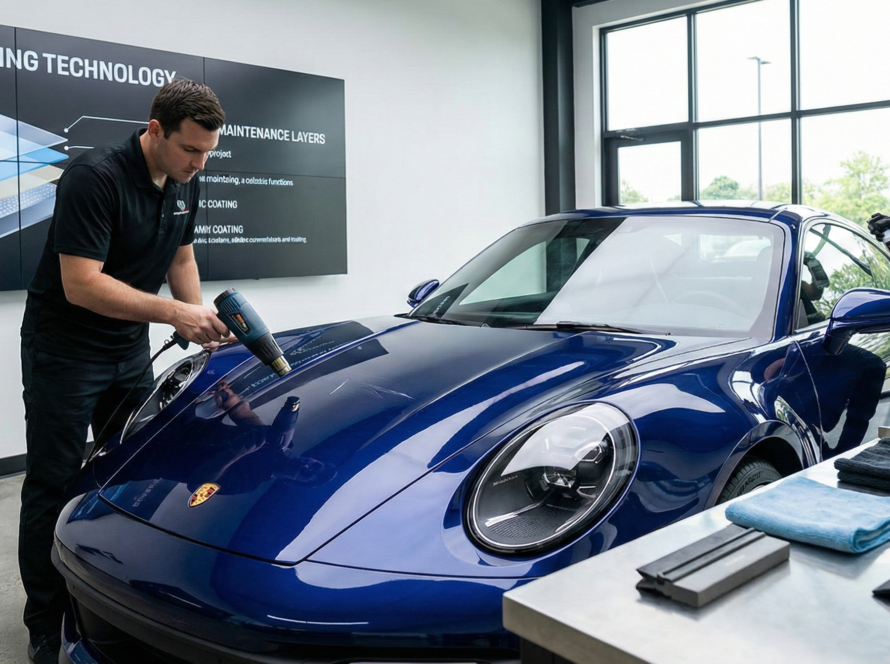
Professional detailing focuses on inspection, controlled abrasion, and repeatable results—rather than a “one-pass polish and done” approach. This is where Paint Correction becomes a specialized craft: it’s about selectively leveling defects in the clear coat to improve reflection clarity and remove visible haze.
If you want to see what this service typically includes and how it’s packaged, explore expert paint correction services and the typical steps involved.
What paint correction actually fixes
- Swirl marks and light wash marring
- Holograms/buffer trails left from improper polishing
- Light scratches and scuffs (where safe to remove)
- Water spot etching (in many cases)
- Dullness and haze that reduce reflection sharpness
How it’s done: controlled leveling of the clear coat
A professional will usually:
- Inspect under proper lighting (sunlight + LED inspection lights) to map defects
- Measure paint thickness when appropriate to ensure safe correction margins
- Test spot different pads/compounds/polishes to find the least aggressive combo that works
- Refine the finish with multiple stages if needed for maximum gloss and clarity
Owners often describe the end result as “better than delivery day” because the finish is no longer hiding defects under flattering showroom lighting. When done correctly, Swirl mark removal isn’t just cosmetic—it also supports easier future maintenance because you’re starting with a clean, refined baseline.
4. How to choose the right level of correction (new vs. used)
The best approach depends on paint condition, vehicle color, how you use the car, and what “perfect” means to you. Paint Correction isn’t one-size-fits-all—there are levels, and the right one balances outcome with preservation of clear coat.
Typical correction levels (simplified)
- One-step polish: boosts gloss, removes light defects, great for newer paint with mild haze
- Two-step correction: compound + polish for heavier defects and maximum clarity
- Targeted correction: focuses on worst panels (bonnet, roof, driver’s side) to maximize value
Who benefits the most
- New-car owners who want a truly flawless delivery-level finish (without holograms)
- Used-car owners prepping for sale or simply wanting the vehicle to feel “new again”
- Dark-color vehicles (black, deep blue, charcoal) where defects show aggressively
- Enthusiasts who want the paint to look sharp in direct sun and under LEDs
For a vehicle that has seen years of automatic washes, the process can feel like full Car paint restoration—because you’re reversing accumulated surface damage rather than masking it. For newer cars, the improvement often comes from refining the clear coat to remove subtle factory/dealer defects and restoring true optical clarity.
What correction can’t do (important expectations)
Correction can’t fix paint that’s already failing (clear coat peel), and it can’t safely remove every deep scratch without risk. A reputable detailer will show you what can be removed, what can be improved, and what should be left alone for paint health.
5. FAQs: Getting the gloss to stay
Is paint correction only for older cars?
No. New cars frequently have haze, buffer trails, or transport marks. Correction is often the step that makes a new vehicle look the way people expect it to look.
How long do results last?
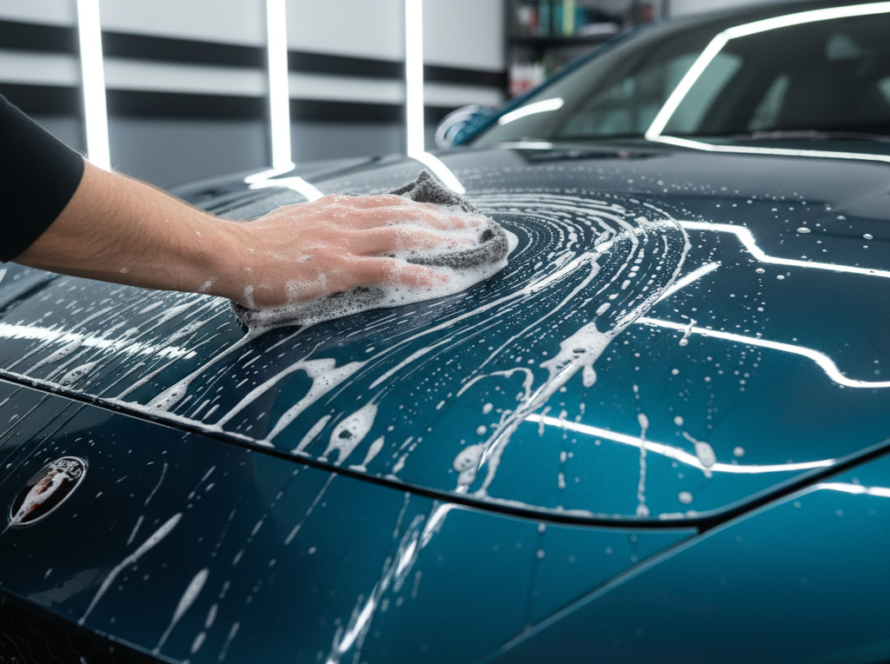
Results last as long as your wash habits protect the finish. Safe washing, clean microfiber, and avoiding automatic brushes are the biggest factors.
Will correction remove all scratches?
It removes many light defects and can reduce deeper marks, but not every scratch can be safely eliminated. A professional should explain what is realistic panel-by-panel.
Does paint correction replace coatings or sealants?
No—correction is the refinement step. Most owners protect the corrected finish afterward (sealant, coating, or wax) to preserve results and reduce future marring.
What’s the biggest visible difference after professional work?
Sharper reflections, deeper gloss, and paint that looks “liquid” in the sun. That’s usually the moment owners realize Swirl mark removal and Car paint restoration can transform a vehicle beyond a typical showroom look—because the finish has been refined properly rather than rushed. If you want that true “better-than-delivered” clarity, Paint Correction is the step that creates it.