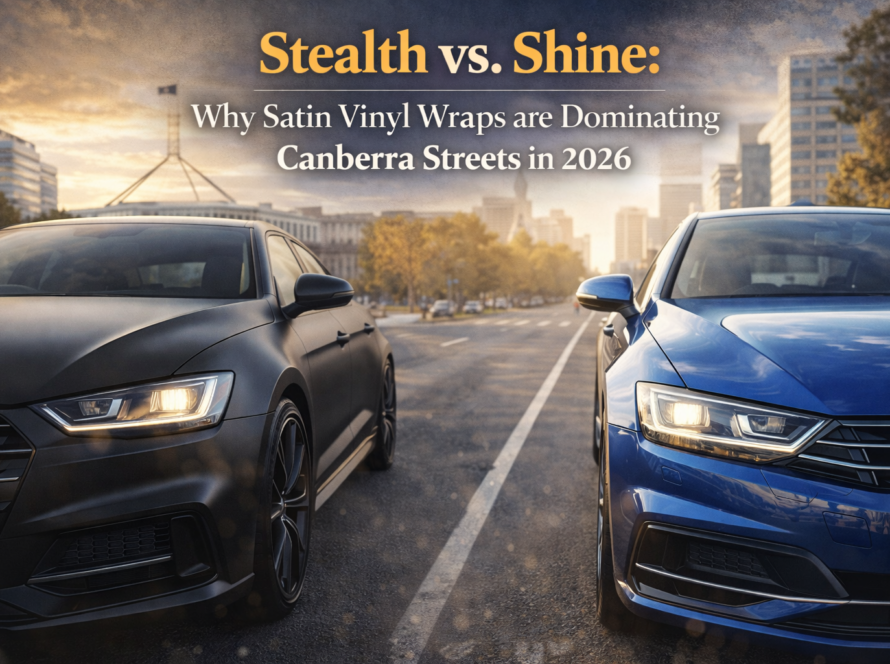
paint protection film maintenance is essential for preserving the appearance and performance of modern vehicles protected with premium PPF. When done correctly, paint protection film maintenance ensures that the film continues to shield paintwork from chips, scratches, UV damage, and chemical stains while maintaining a flawless finish.
Paint protection film (PPF) is a transparent polyurethane layer engineered to absorb impacts and resist environmental damage. High-end films such as DYNOshield and DYNOmatte combine hydrophobic properties with advanced self-healing capabilities, allowing light scratches to disappear when exposed to heat. However, even the best films require proper care to perform at their full potential. Understanding how PPF works and how to maintain it correctly can significantly extend its lifespan and protect your vehicle’s resale value.
1. How Paint Protection Film Works
Effective paint protection film maintenance starts with understanding the technology behind PPF. Modern PPF is composed of multi-layer polyurethane designed to flex, absorb impact, and return to its original form.
At the core of premium films is self-healing PPF technology, which allows minor surface scratches and swirl marks to disappear when exposed to warmth from sunlight or warm water. This feature keeps the surface looking smooth and glossy without constant polishing.
Key features of modern PPF include:
- Impact resistance against rock chips and road debris
- UV protection to prevent paint fading
- Hydrophobic properties that repel water and dirt
- Self-repair through self-healing PPF technology
These characteristics make PPF one of the most advanced forms of car wrap protection available today.
2. Professional Installation and Its Role in Longevity
Long-term paint protection film maintenance success begins with professional installation. Poor application can lead to lifting edges, trapped contaminants, and reduced durability.
Professional installers use laser plotters for precision cutting, meticulous surface preparation, and wrapped edges for a seamless appearance. At Canberra Auto Detailing, clients can explore detailed PPF packages and installation process designed to maximize protection and longevity.
Proper installation enhances car wrap protection by ensuring full coverage, strong adhesion, and minimal visible seams. This foundation is critical before any maintenance routine begins.
3. Daily and Weekly Care for Paint Protection Film
Consistent paint protection film maintenance involves gentle, routine care that preserves both appearance and performance. Unlike traditional paint, PPF should never be treated with abrasive tools or harsh chemicals.
Recommended care practices include:
- Washing regularly with pH-neutral automotive soap
- Using microfiber wash mitts instead of brushes
- Avoiding automated car washes with stiff bristles
- Drying gently to prevent mineral spotting
These habits help maintain the hydrophobic layer and support self-healing PPF technology by preventing unnecessary surface damage. Proper washing also reinforces long-term car wrap protection against contaminants.
4. Activating and Preserving the Self-Healing Effect
One of the most valuable aspects of paint protection film maintenance is knowing how to activate and preserve the film’s self-repair capabilities. Light scratches often disappear naturally when exposed to heat.
Warm sunlight, hot water, or controlled heat sources can activate self-healing PPF technology, allowing the polyurethane to reflow and smooth itself. This process reduces the need for polishing and keeps the surface looking new.
Educational resources such as this guide on PPF benefits and maintenance provide additional insights into how heat and care routines influence film performance.
To protect the self-healing layer, owners should avoid aggressive scrubbing and chemical-based waxes that can degrade the film’s surface.
5. Long-Term Benefits of Proper PPF Maintenance
Consistent paint protection film maintenance delivers long-term benefits that extend beyond appearance. Vehicles protected with well-maintained PPF retain higher resale value and require fewer cosmetic repairs.
By combining correct washing techniques, awareness of self-healing PPF technology, and professional installation, owners maximize the effectiveness of car wrap protection over many years.
In conclusion, paint protection film maintenance is the key to unlocking the full potential of modern PPF, ensuring durable protection, a flawless finish, and long-lasting vehicle value.
Frequently Asked Questions
1. How often should paint protection film be washed?
Paint protection film should be washed every one to two weeks using gentle, pH-neutral products.
2. Does self-healing PPF technology fix deep scratches?
Self-healing PPF technology repairs light surface scratches but cannot fix deep cuts or punctures.
3. Can wax or sealant be applied over PPF?
Only PPF-safe products should be used, as harsh waxes can damage the film.
4. How long does paint protection film last?
With proper paint protection film maintenance, premium PPF can last five to ten years.
5. Is PPF considered car wrap protection?
Yes. PPF is a specialized form of car wrap protection designed specifically for paint preservation.